Distribution System Monitoring
Water Utilities
Assured Quality from Plant to Tap
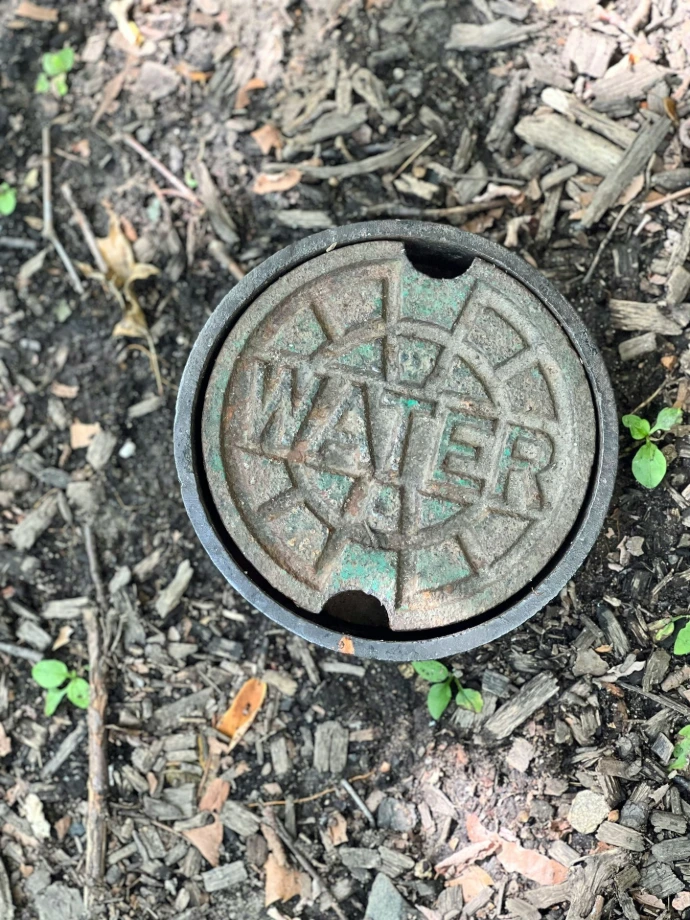
Drinking water distribution systems are the final and most exposed barrier in the drinking water supply chain. Even when water leaves the treatment plant in excellent microbiological condition, its quality can still be compromised during transport through complex and aging infrastructure.
With rqmicro rapid microbial solutions, water utilities gain timely and quantitative insight into microbiological conditions within the distribution network. This enables operators to detect contamination risks early, verify system integrity, and ensure that treated water maintains its quality all the way to the consumer. As a result, utilities can move from reactive incident response to proactive distribution system management, strengthening public health protection and customer confidence.

The Distribution Challenge
Maintaining microbial integrity in complex and vulnerable distribution networks presents a challenge.
Distribution systems are inherently dynamic and exposed to a wide range of contamination risks. Ensuring microbiological safety across the entire network is challenging due to multiple interacting factors:
- Aging and deteriorating infrastructure
- Many distribution networks rely on aging pipes that may corrode, crack, or develop leaks over time. These defects can allow external contaminants to enter the drinking water system and compromise microbiological quality.
- Cross-connections and backflow events
- Unintended connections between potable and non-potable systems, as well as pressure fluctuations that cause backflow, can introduce microbial contamination into otherwise safe drinking water. These events are often difficult to predict and detect in real time.
- Physical damage and system disturbances
- Water main breaks, pipe bursts, and pressure transients can directly introduce contaminants into the distribution network. Such events require rapid detection and response to prevent widespread impact on water quality.
- External influences and human activity
- Construction work, excavation activities, and even natural disasters such as floods, storms, or earthquakes can damage infrastructure or disrupt hydraulic conditions. These disturbances increase the risk of microbial intrusion and can rapidly affect water quality across affected areas.
Together, these factors create a highly variable and spatially complex environment in which microbial contamination events can occur unpredictably and spread quickly through the network.
How We Help
Practical integration into distribution system monitoring strategies
Implementing rapid microbial monitoring in distribution systems requires a flexible approach that aligns with existing sampling programs, operational zones, and incident response procedures. rqmicro.COUNT is designed to be deployed at strategic points throughout the network without requiring major changes to established workflows. This allows utilities to enhance their monitoring capabilities progressively, improving spatial and temporal resolution of microbiological data while maintaining operational continuity.
1
Identify Critical and High-Risk Zones
Define priority monitoring locations such as areas with aging infrastructure, pressure zones, dead-ends, storage reservoirs, and regions with known vulnerability to backflow or intrusion events.
2
Design a Targeted Sampling Strategy
Establish routine and event-based sampling plans that capture both normal operating conditions and potential disturbance scenarios such as main breaks or pressure fluctuations.
3
Deploy Rapid Microbial Testing
Implement rqmicro.COUNT to generate same-day quantitative results for microbial indicators, enabling timely assessment of water quality across the distribution network.
4
Integrate Results into Operational Response and Network Management
Use rapid microbial insights to support incident response, verify corrective actions, and improve long-term distribution system maintenance and rehabilitation planning.
Benefits for Your Operation
From delayed detection to real-time distribution system awareness.
Effective distribution system management depends on the ability to detect microbial changes early and respond before they affect consumers. rqmicro.COUNT enables utilities to generate rapid, quantitative microbiological data directly from the distribution network, providing near real-time insight into water quality conditions. This shifts monitoring from retrospective verification to proactive system surveillance, supporting faster response to contamination events and more confident operational decision-making.
Early Detection of Microbial Contamination
rqmicro.COUNT provides rapid quantitative results for key microbial indicators such as E. coli and Intact Cell Counts (ICC). This enables utilities to identify contamination events in the distribution network before they escalate or reach a wider customer base.

Faster Incident Response and Risk Mitigation
Rapid microbial data allows utilities to respond quickly to events such as main breaks, pressure drops, or suspected backflow. Faster response reduces the duration and extent of potential exposure to contaminated water.

Improved Network Integrity Monitoring
Frequent and targeted microbiological measurements help operators assess the integrity of the distribution system under normal and disturbed conditions. This supports better understanding of how infrastructure condition and hydraulic events influence water quality.

Stronger Public Health Protection and Trust
By ensuring that microbial quality is continuously verified throughout the distribution system, utilities can demonstrate a higher level of control and transparency. This strengthens consumer confidence and supports regulatory compliance.
Solutions for This Application
Brief introduction explaining how the products support this application.
rqmicro.COUNT
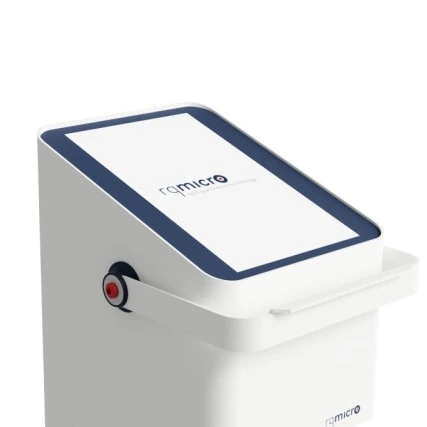
A cartridge-based flow cytometer that rapidly quantifies total viable bacteria and specific pathogens using the rqmicro Test Kits. The instrument delivers actionable results in as little as 30 minutes. rqmicro.COUNT is designed for both laboratory and on-site use, enabling reliable microbiological monitoring.
Key Benefits
- Decentralized testing
- High-speed single-cell analysis
- Easy to use

Cloud Solution
The rqmicro Cloud Solution is a secure, browser-based platform for storing, analyzing, and sharing microbiological test results. With customizable dashboards, automated alerts, and reporting tools, it supports efficient monitoring, compliance, and data-driven decision-making across multiple sites.
Key Benefits
- Centralized Data Management
- Real-Time Monitoring & Alerts
- Simplified Reporting & Compliance
Test Kits
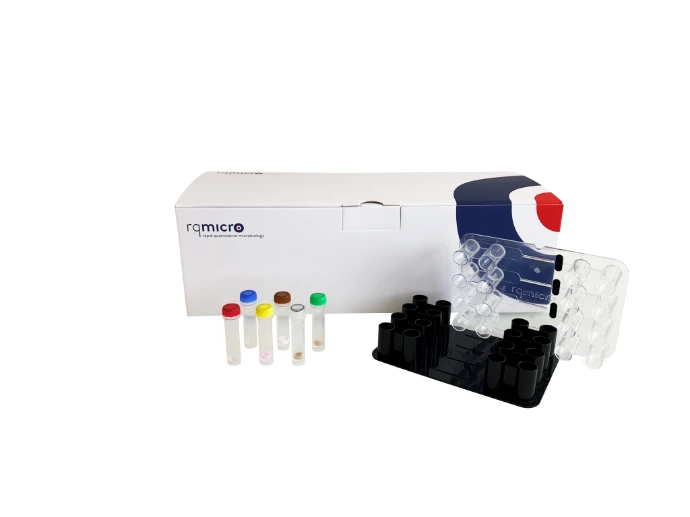
The rqmicro Test Kits are ready-to-use assay kits designed for rapid microbiological water analysis with rqmicro.COUNT. Available for Intact Cell Count (ICC), Legionella, and E. coli, they combine simple sample preparation with highly sensitive detection to deliver fast, reliable, and actionable results.
Key Benefits
- Rapid Results
- Reliable Detection
- Easy-to-Use Workflow
Frequently Asked Questions
Here are some common questions about the test method, instrumentation and user requirements.
rqmicro combines three core technologies in a single workflow:
- Microbiological Assays detection and quantification of microorganisms including immunoassays for the selective quantification of target bacteria.
- Microfluidic cartridge technology with integrated immunomagnetic separation (IMS) for automated sample processing.
- Flow Cytometry for rapid detection and quantification of bacteria, including viability assessment.
This integrated approach enables rapid microbiological testing without the need for lengthy cultivation steps.
Single-use cartridges provide several advantages:
- Ensure standardized workflows
- Reduce maintenance requirements
- Minimize the risk of cross-contamination
- Eliminate complex cleaning procedures
- Enable operation by non-specialist users
The cartridge-based design supports both laboratory and field applications.
The rqmicro platform is designed for the detection and quantification of total bioburden and also specific bacteria. Depending on the assay, users can analyze:
- Total viable bacteria (Intact Cell Count)
- Total bacteria (Total Cell Count)
- Legionella (L.p. SG 1, L.p. SG 1-15 and Legionella spp.)
- E. coli (incl. Big 6 and O157)
Traditional culture methods only detect microorganisms that grow on agar plates. Many bacteria can remain viable but fail to form colonies under cultivation conditions.
rqmicro uses cultivation-independent flow cytometry, allowing the detection of viable cells regardless of their ability to grow on culture media. This provides faster results and a more complete picture of microbial contamination.
Flow cytometry is a laser-based analytical method that measures individual cells suspended in a fluid stream.
As cells pass through the laser beam, fluorescent signals are generated and detected by the instrument. Thousands of cells can be analyzed every second, enabling rapid and highly sensitive microbiological testing.
rqmicro uses fluorescence-based flow cytometry together with viability staining. Fluorescent dyes interact differently with live and dead cells based on membrane integrity and physiological status.
The instrument analyzes these fluorescence patterns to distinguish viable cells from non-viable cells, providing rapid live/dead information within the measurement process.
Viability information helps users:
- Assess microbiological risk more accurately
- Evaluate treatment effectiveness
- Detect bacteria that may be missed by culture methods
- Monitor changes in water systems in near real time
This enables faster operational decisions and improved process control.
VBNC stands for Viable But Non-Culturable.
These bacteria are alive and may remain metabolically active, but they do not grow on standard culture media. As a result, conventional cultivation methods can underestimate the true microbial load.
Flow cytometry can detect these cells, allowing a more comprehensive assessment of water quality and microbiological risk.
qmicro.COUNT is designed for routine operation with minimal training.
Users do not need to be flow cytometry experts. The cartridge-based workflow and automated analysis reduce operator dependency and simplify routine testing.


Contact an Expert
Christophe Gutknecht
Contact Us
Latest Blog Posts
Discover insights and solutions from rqmicro